River Rock vs. Mulch: Which Is Right for Your Landscape?
Choosing a material for your garden beds affects more than how your yard looks. It also determines how much maintenance the space requires, how well the soil retains moisture, and how often you will need to refresh the area.
The river rock vs mulch decision usually comes down to what you’re planting, the conditions in your yard and how much ongoing upkeep you want. You see, mulch supports plant growth and helps soil retain its moisture, while river rock provides a durable, long-lasting finish. So, neither is automatically right for every landscape.
Ahead, we’re going to be comparing the benefits, drawbacks, costs, and maintenance needs of mulch vs rock so you can choose the very best option for each part of your yard.
The Benefits of Mulch
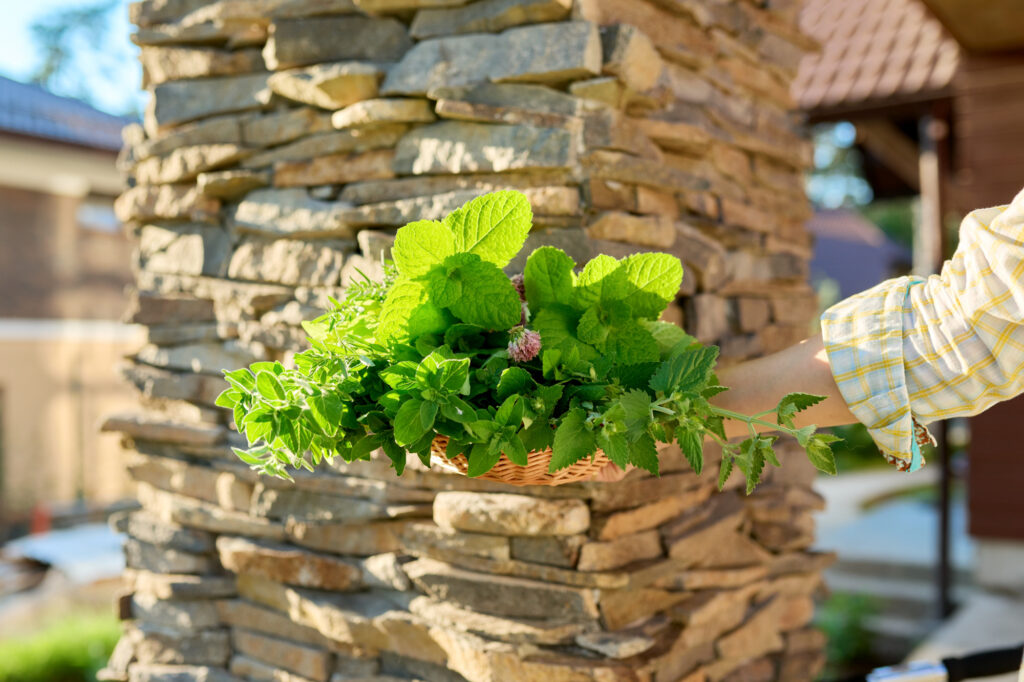
Mulch is an organic material that’s very commonly placed around trees, shrubs, flowers, and other plants. And as it breaks down, it adds organic matter to the soil and can help create healthier growing conditions.
One of mulch’s biggest advantages is moisture retention, as it helps slow evaporation, which can keep soil hydrated longer and even reduce how often some garden beds need watering. It also helps to keep soil temperature steady by protecting roots from sudden temperature changes.
Finally, when applied at the right depth, mulch can limit the sunlight that reaches weed seeds and reduce germination. Timing still matters, however, and applying mulch too early can interfere with the soil warming naturally in spring, while waiting too long may allow weeds to become established first.
The Drawbacks of Mulch
Now, Mulch doesn’t last indefinitely. Because it decomposes and can easily be displaced by wind, rain, routine yard work, most beds need to be topped up or refreshed periodically. The exact schedule, however, depends on the type of mulch and the conditions in your yard. However, replacement creates an ongoing material and labor cost that shouldn’t be overlooked.
Organic mulch can also introduce weed seeds if it hasn’t been processed properly. And even when the mulch itself is clean, weeds may eventually grow in the organic matter that accumulates on top of it.
Lastly, too much mulch may cause additional problems. Piling it deeply around tree trunks or plant stems can hold excessive moisture against them and contribute to decay. Mulch works best when it is applied correctly and kept away from direct contact with trunks and stems.
The Benefits of River Rock
River rock offers a much longer-lasting ground cover than mulch, as it does not decompose, blow away as easily as lightweight mulch or require seasonal replacement. Sure, individual stones may shift over time, but they can usually be raked or repositioned rather than replaced.
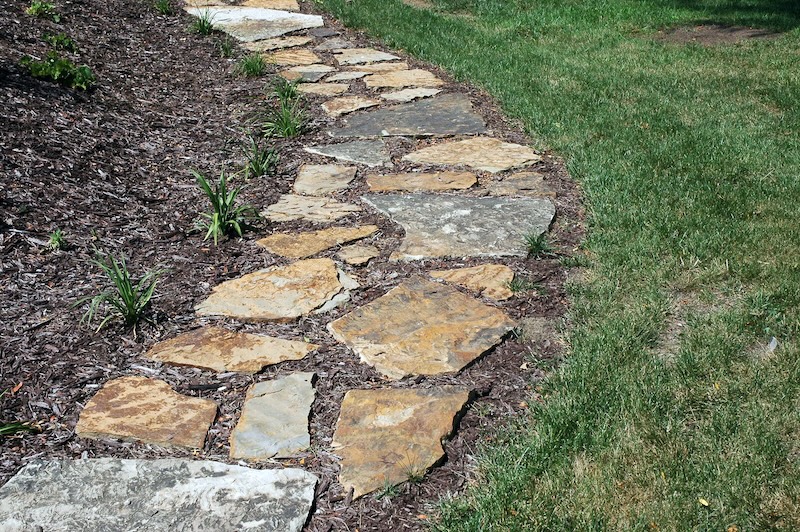
This durability makes low maintenance river rock landscaping especially useful in areas where frequent planting and soil improvement aren’t really priorities. It’s great for creating those clean borders or even covering difficult patches of ground. Plus, they add natural color and texture around a property which can really help bring a yard together.
River rock can also suppress weeds by blocking light when it is installed at an appropriate depth over a properly prepared base. It will also not eliminate weeds permanently, but it can reduce their growth and make occasional removal easier. And unlike some organic materials, the stone itself does not contain weed seeds.
Finally, because stone does not burn, it may also be the right fit for selected areas where combustible ground cover would be undesirable.
The Drawbacks of River Rock
Now, river stone does not add nutrients or organic matter to the soil. So, that makes it less suitable than mulch for garden areas that need continually improving soil conditions.
On the other hand, river rock does not retain moisture or provide decaying organic material in the same way mulch does. While it cannot prevent termites, it may create a less inviting environment around the foundation. It also makes mud tubes and other signs of termite activity easier to spot. Just be sure to keep the rock below the siding and avoid disturbing any existing termite barriers around the home.
Rock can also absorb heat from the sun and transfer it to the surrounding soil––in exposed areas, this may increase heat stress and moisture loss for sensitive plants. So, careful plant selection and good watering are especially important when stone is used in full sun.
And while weed barrier can reduce weeds initially, it cannot prevent them forever. Dust, leaves, and other organic debris eventually settle between the stones, creating a place for windblown seeds to grow. Occasional cleaning and weeding will still be necessary.
River rock is also heavier and more labor-intensive to move than mulch, with installation possibly requiring equipment or professional help, particularly for large areas.
Using River Rock in Garden Beds
A river rock garden bed works best when the plants suit the warmer, faster-draining conditions that stone is really good at creating. Think of your drought-tolerant plants, ornamental grasses and established shrubs as the better candidates over more delicate plants.
Leave enough space around stems and trunks rather than piling rock directly against them. Proper edging will help contain the stone, while a well-prepared base can keep it from sinking into the soil. If the bed includes plants that need regular feeding, plan how you will apply fertilizer or amend the soil after the rock is installed.
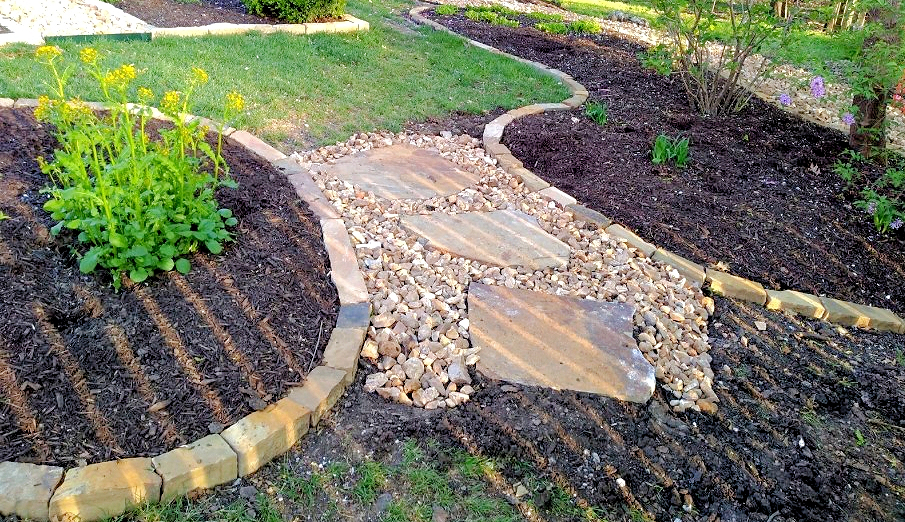
A river rock garden bed can also be used without dense planting, as stone works well in drainage channels, around hardscaping, and in narrow areas where grass is difficult to maintain.
Which Option Is Right for You?
Choose mulch when supporting plant health, retaining soil moisture and adding organic matter are your main priorities.
Choose river rock when you want a durable ground cover that adds structure and requires less frequent refreshing. It is well suited to drainage features, pathways, borders, and established landscape beds where soil enrichment is less important.
For that reason, low maintenance river rock landscaping can be a practical choice for areas that do not need frequent replanting.
Keep in mind, you do not necessarily have to select one material for the entire property. Many successful landscapes use mulch around moisture-loving plants and rock in drainage areas or permanent decorative beds. So, when comparing river rock vs mulch, consider the needs of each individual space rather than looking for one universal winner.
Find Landscape Rock in Kansas City
House of Rocks carries 15 varieties for homeowners and contractors looking for landscape rock, Kansas City projects. River rock is available in bulk by the ton, and most varieties are also stocked in convenient 50-pound bags for pickup.
Not sure how much you need or which variety suits your design? Our team can help you estimate your materials, arrange curbside delivery, and provide contractor referrals for spreading services. Visit House of Rocks for Landscape rock, Kansas City homeowners can select in person, or contact us at 913-432-5990 or info@houseofrocks.com.
Frequently Asked Questions
How much does river rock cost?
The cost of river rock depends on the variety, quantity and whether you buy it by the bag or in bulk. Delivery and professional installation may also affect the total. Always measure your project area and use the House of Rocks calculator for a more accurate estimate.
Can river rock be placed directly over soil?
It can, but preparing and grading the area first will produce a better result. Depending on the application, edging and an appropriate separation layer may help prevent the stone from sinking, mixing with the soil, or spreading beyond the bed.
Is mulch or rock better for landscaping?
The mulch vs rock decision depends on the area. Mulch is generally better for plant-heavy beds because it retains moisture and adds organic matter to the soil. Rock is better suited to long-lasting decorative areas where lower maintenance is the priority.
How deep should river rock be in a landscape bed?
The appropriate depth depends on the size of the stone and how the area will be used. A depth of roughly two to three inches is common for many decorative beds, but larger stone or drainage applications may require a different base and depth.
What is the easiest way to maintain river rock?
Remove leaves and debris periodically with a blower or rake, pull occasional weeds before they become established, and reposition stones that move out of place. Adding secure edging can also help keep the area neat.